AGP Executive Report
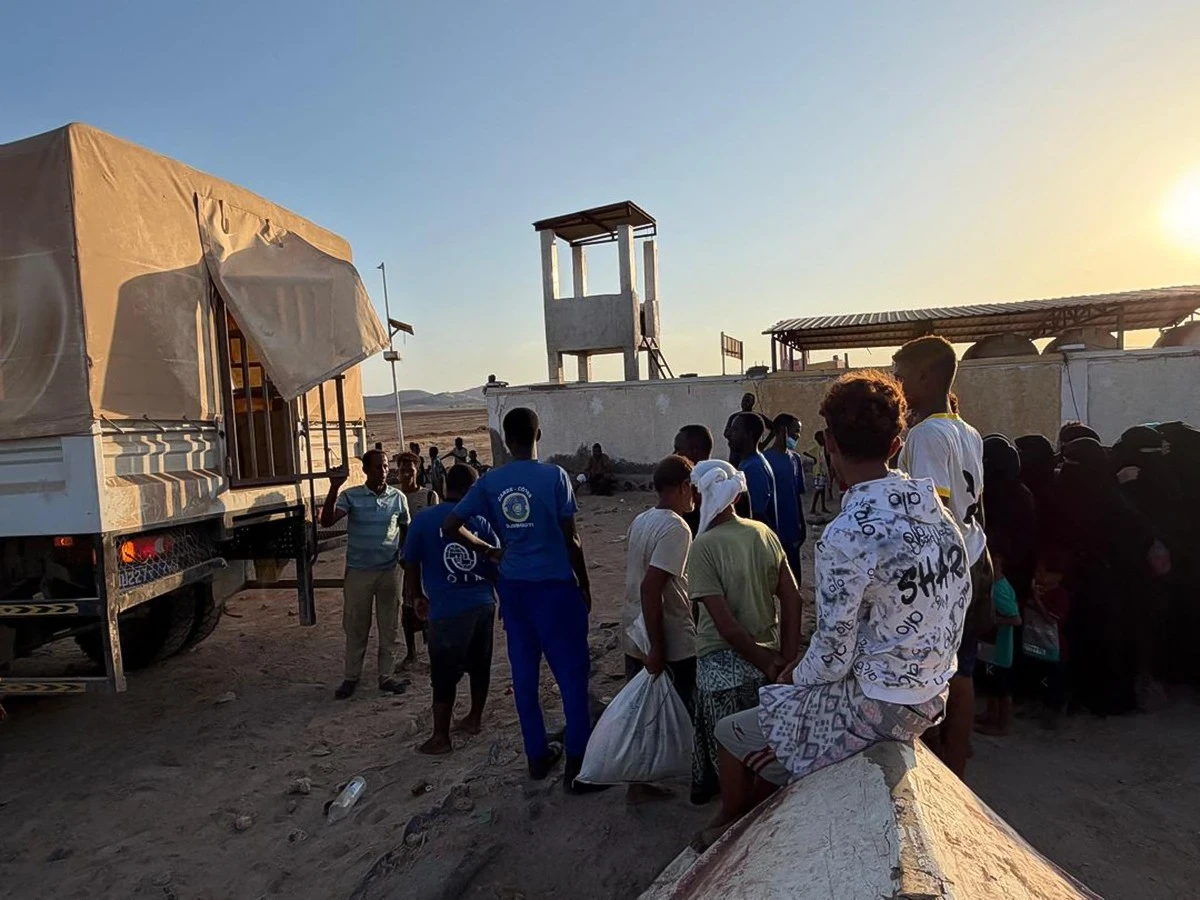
Last update: 5 minutes agoRefugee Health: Nearly 4,000 people have fled Yemen for Djibouti, many of them women and children. WHO reports 44 cases of acute watery diarrhea and one death among Yemeni refugees, adding to pressure on local services; the UN says $700,000 is needed for the refugee response. Outbreak Readiness: WHO has named Djibouti a priority for Ebola preparedness, helping strengthen surveillance, laboratory capacity and emergency response despite no reported cases in the region.
Note: AI summary from news headlines; neutral sources weighted more to help reduce bias in the result. Feedback is welcome. Please let us know if you have any comments or suggestions about the AGP Executive Report.
 Perspectify News