
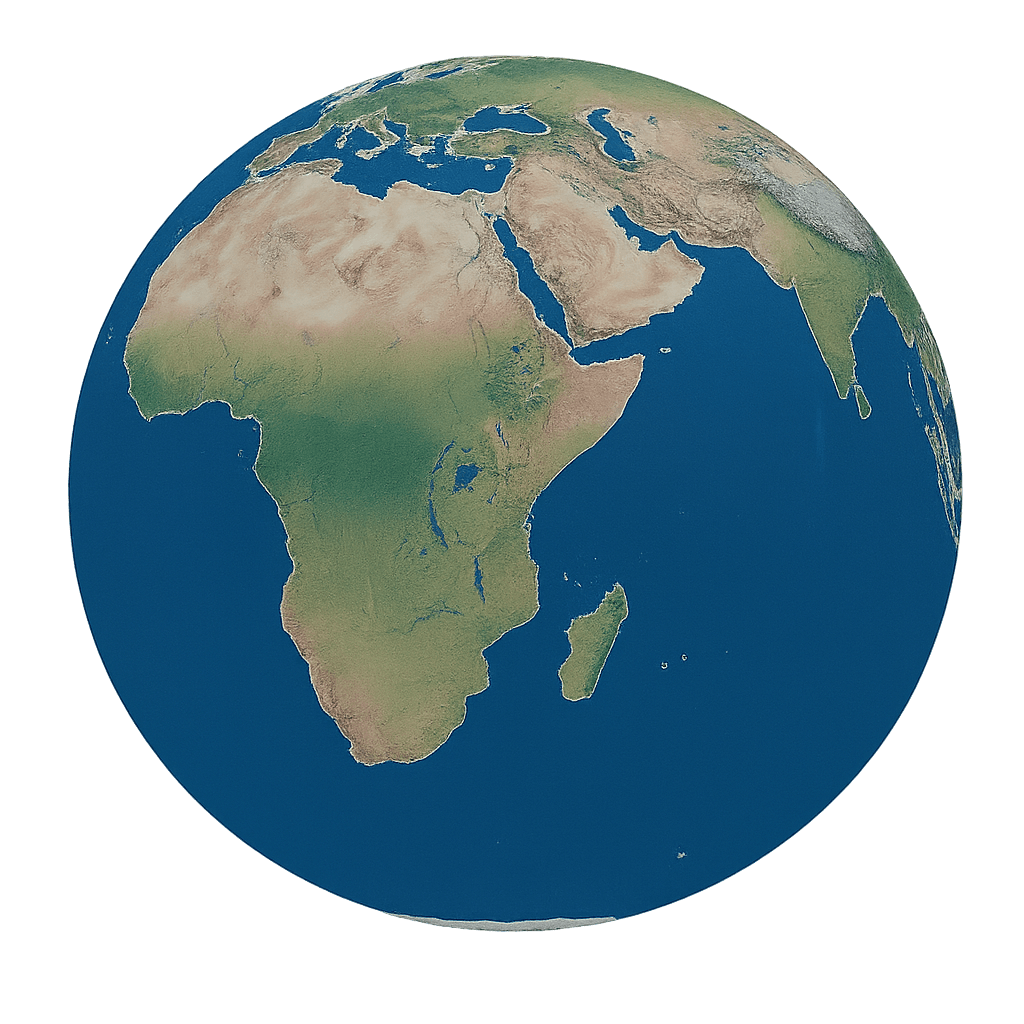
Sahel Water Revival: Communities in the Sahel are digging water-harvesting pits and using older soil-and-rain techniques to restore degraded land, helping soils hold moisture and improving crop survival after years of drought. Maritime Security for Health Supply Chains: Saudi Arabia and 13 partners agreed on a defensive naval alliance to protect commercial shipping through key chokepoints like Bab el-Mandeb and the Gulf of Aden—important for keeping medicines and food moving safely. Somalia Peace Mission Under Strain: AU and troop contributors are scrambling after US funding cuts and reduced UN logistical support for AUSSOM, raising risks for stability that directly affects access to healthcare. Djibouti Link in Regional Response: Djibouti is listed among coalition states for the maritime defence pact, and Djibouti Red Crescent leadership is highlighted in IFRC talks focused on emergency preparedness and health interventions. Humanitarian Health Pressure in the Horn: Reports describe worsening healthcare and food insecurity pressures across conflict-affected areas, with displaced families facing failing services and unsafe conditions. Health-Focused Development Training: TIKA’s 2026 Development Ambassadors Program includes health projects in Djibouti and other countries, aiming to support community health work through student-led initiatives.
AGP Executive Report
Your go-to archive of top headlines, summarized for quick and easy reading.
Note: AI summary from news headlines; neutral sources weighted more to help reduce bias in the result. Feedback is welcome. Please let us know if you have any comments or suggestions about the AGP Executive Report.
Somalia Peace Funding Shock: Uganda’s Gen. Muhoozi Kainerugaba warned that UN logistical support for AUSSOM is already being cut, with UNSOS support ending by December and no clear successor—raising fears for stability and the health of communities caught in prolonged insecurity. Regional Humanitarian Strain: EEPA/IDN reports over 117,350 migrants deported from Libya, while Sudan’s North Kordofan faces deadly air strikes and worsening civilian harm, including child deaths and collapsing healthcare in displacement areas. Djibouti Link in Security Talks: Djibouti is named among the troop-contributing countries in the Kampala AUSSOM summit, where leaders are racing to reshape the mission as donor money runs out. Health & Aid Partnerships: IFRC and Kenya Red Cross leaders met President Ruto, with Djibouti Red Crescent Vice President Mahdi Mohammed in the delegation—highlighting preparedness for disease outbreaks and climate-linked emergencies. Health Projects Abroad: TIKA’s 2026 Development Ambassadors Program includes health projects in Djibouti and other countries, aiming to expand community health work through student-led initiatives. FGM Rights Under Pressure: A major legal fight over female genital mutilation continues in The Gambia, with renewed court action and harassment of survivors—an urgent reminder for regional safeguarding efforts.
Health Systems & Access: AUSSOM handover talks in Somalia are tied to funding cuts, raising fears for regional stability that can spill into health service delivery. Women’s Health & Rights: The push to keep The Gambia’s FGM ban alive is intensifying as a Supreme Court challenge could reverse protections, with survivors facing renewed harassment. Local Care Under Pressure: In Yemen, the Saudi blockade is squeezing hospital services, with dialysis supplies and equipment at risk of collapse. Humanitarian Health Partnerships: IFRC and Kenya Red Cross leaders met President Ruto to strengthen emergency preparedness, disease outbreak response, and locally led health interventions. Djibouti Link (Regional Health Context): A TIKA student program includes health projects in Djibouti, alongside Ethiopia, Tanzania, and Tunisia—supporting community development with a health focus. Climate & Health Risk: Reports warn rising heat will drive more deaths where electricity for cooling lags—an urgent reminder for the Horn’s heat and health planning. Maritime Disruption & Indirect Health Impacts: The Bab el-Mandeb threat from Houthi blockade warnings is reshaping shipping patterns, which can affect medicine supply chains.
Health Aid & Preparedness: Djibouti Red Crescent Vice President Mahdi Mohammed joined IFRC leaders and Kenya Red Cross officials in talks with Kenya’s President William Ruto, focusing on emergency preparedness, community resilience, and health responses to food insecurity, disease outbreaks, and climate shocks. Health Projects Abroad (Djibouti): Turkey’s TIKA says its 2026 Development Ambassadors Program will run July 23–Sept. 30 across 35 active countries, with health projects planned in Djibouti (alongside Ethiopia, Tanzania, Tunisia, and others). Regional Health Pressure (Somalia/AUSSOM): Somalia’s government is preparing an AUSSOM handover timed to AU planning, raising concerns about continuity of security-linked stability that affects health access and humanitarian operations. Air Pollution & Public Health: A UNEP pollution note flags high fine-particle exposure across East Africa, listing Djibouti at 40.3 micrograms per cubic metre—an urgent reminder that air quality is a health issue, not just an environment one. Women’s Safety & Health Context: A new Women, Peace and Security index ranks Northern Europe highest for women’s inclusion, justice, and security—useful context for safeguarding and health outcomes.

Immigration & Health Access: A report on the DMV region says escalating immigration enforcement is scattering detained adults and families into a legal system that often blocks custody challenges, with knock-on harms like lost housing and health coverage—highlighted through a case involving a child with sickle cell disease. Health & Humanitarian Cooperation: IFRC and Kenya Red Cross leaders met President William Ruto to strengthen emergency preparedness and response, with focus on food insecurity, climate risks, disease outbreaks, and locally led health interventions. Djibouti in the Spotlight (Health Projects): TIKA’s 2026 Development Ambassadors Program will run across 35 active countries, including health projects in Djibouti, aiming to pair Turkish university students with local peers through community and health initiatives. Air Pollution & Public Health: A UNEP pollution action note flags high fine-particle exposure across East Africa, listing Djibouti among countries above WHO guidance—raising concerns for respiratory and other pollution-linked illness. Yemen Health Crisis (Regional Spillover): Yemen’s health sector is strained by blockade-related medicine shortages, with dialysis services at risk due to delayed equipment and solutions shipments.
Health Funding & Access: WHO says conflicts, disease outbreaks, food insecurity and shrinking humanitarian funding are worsening the public health crisis across the Eastern Mediterranean and Greater Horn of Africa, with Somalia, Sudan and Djibouti among the worst affected; WHO is appealing for US$6.42 million to sustain primary care and nutrition services, keep outbreak detection running, and pre-position medicines and supplies. Humanitarian Health Response: In Kenya, IFRC and Kenya Red Cross leaders met President William Ruto to strengthen emergency preparedness, community resilience, and locally led health and first-aid interventions amid food insecurity, climate risks and disease outbreaks. Nutrition & Hunger Trends: UN agencies report global hunger fell for a third straight year in 2025, but progress is uneven and fragile, with Africa still facing the highest levels of food insecurity and risks likely to rise again due to conflict and energy shocks. Djibouti Health Link: TIKA’s 2026 Development Ambassadors Program includes health projects in Djibouti as part of wider community development work across 35 countries. Air Pollution Watch: UNEP lists Djibouti among East African countries with PM2.5 exposure above WHO targets, highlighting ongoing pollution risks to public health. Regional Security Impact on Care: Yemen’s health sector is under severe strain as blockades obstruct medicines and dialysis supplies, threatening continuity of essential services for thousands of patients.
Maritime Security & Health Supply Chains: Yemen’s Iran-backed Houthis announced a maritime blockade against Saudi Arabia and warned shipping firms not to use Saudi ports, raising fresh fears for the Bab el-Mandeb corridor that links Djibouti to the Red Sea—an escalation that can quickly disrupt medicines, fuel, and humanitarian logistics across the region. Humanitarian Health Partnership: Kenya Red Cross and IFRC leaders met President William Ruto to strengthen emergency preparedness and response, with focus on locally led health interventions amid food insecurity, climate shocks, disease outbreaks, and disasters. Eastern Mediterranean Health Emergency: WHO warns conflicts, disease outbreaks, and shrinking funding are worsening the public health crisis, citing 30.4 million people needing help in Sudan and major risks to health services from disrupted medical supply chains. Food Insecurity Hitting Care: WHO is appealing for $6.42m to sustain health and nutrition services in Somalia, Sudan, and Djibouti, as funding shortages have forced closures of over 200 health facilities and leave children at high risk of acute malnutrition. Air Pollution Public Health Alert (Djibouti included): UNEP lists Djibouti among countries with PM2.5 exposure above WHO guidelines, underscoring ongoing pollution-related health risks. FGM Oversight: Turkey’s medical association opened an investigation into a doctor advertising female genital mutilation online, reiterating the practice has no medical basis and violates human rights.
Djibouti Health Funding: WHO is urgently appealing for $6.42 million to keep health and nutrition services running in Somalia, Sudan, and Djibouti, as food insecurity and conflict strain primary care and outbreak response. Humanitarian Health Crisis: WHO warns the Eastern Mediterranean is worsening, with Sudan’s 30.4 million people needing help and health services at risk from disease outbreaks and shrinking funding. Djibouti Food Insecurity: A new IPC report says Djibouti could see 256,000 people in crisis-or-worse hunger (IPC Phase 3+) by July–December 2026, driven by import price shocks, Strait of Hormuz disruptions, low purchasing power, and El Niño impacts. Regional Health Under Siege: Reports highlight collapsing care in conflict zones, with patients facing shortages and facilities struggling to stay open. Public Health & Air Quality: UNEP flags Djibouti (40.3 micrograms/m³ PM2.5 exposure) among East African countries with air pollution above WHO targets, linking pollution to major health risks. Youth & Mental Health: AMECEA’s Eastern Africa bishops’ assembly (with Djibouti as an affiliate) puts youth safeguarding, mental health, and inclusion on the agenda, calling for stronger accompaniment and formation.
Djibouti Food Crisis: UN-linked IPC projections warn that from July–December 2026, over 25% of Djibouti’s population (256,000 people) face crisis hunger, including about 30,000 in emergency conditions, driven by import price shocks, Strait of Hormuz disruptions, low purchasing power, and El Niño effects—refugees are hit hardest. WHO Funding for Care: WHO’s Eastern Mediterranean office is appealing for $6.42 million to keep lifesaving health and nutrition services running in Somalia, Sudan, and Djibouti, including primary care, nutrition screening, outbreak response, and pre-positioning medicines. Regional Health Under Strain: WHO says conflict, disease outbreaks, and shrinking humanitarian funding are worsening the Eastern Mediterranean crisis, with Sudan highlighted as the largest emergency and millions across the Greater Horn facing acute food insecurity. Air Pollution and Health: UNEP flags Djibouti among countries with high PM2.5 exposure (40.3 micrograms/m³), underscoring air pollution as a major public health threat. Migration Risks: A feature on the Ethiopia–Djibouti migration corridor describes how irregular routes can end in hunger, exploitation, trafficking, detention, or death, calling for stronger regional protection and coordination. Youth and Mental Health Focus: AMECEA Catholic bishops’ plenary in Eastern Africa puts young people at the center of pastoral work, including safeguarding and mental health, with Djibouti participating as an affiliate.
Eastern Mediterranean Health Emergency: WHO says conflict, disease outbreaks, food insecurity, and shrinking funding are worsening the public health crisis, with Sudan the biggest emergency (30.4M needing help; 13.5M displaced) and renewed Middle East hostilities disrupting medical supply chains. Djibouti Food Insecurity: UN-linked IPC projections warn Djibouti faces severe emergency-level hunger (over 25% of the population, 256,000 people, in IPC Phase 3+; about 30,000 in Phase 4), driven by import dependence, Strait of Hormuz disruptions, low purchasing power, and El Niño impacts. WHO Funding for Djibouti, Somalia, Sudan: WHO’s Eastern Mediterranean office is appealing for US$6.42M to sustain health and nutrition services across Somalia, Sudan, and Djibouti, including primary care, nutrition screening, outbreak response, and pre-positioning medicines and supplies. Air Pollution and Health Risk: UNEP flags Djibouti (PM2.5 exposure 40.3 micrograms/m³) among countries above WHO targets, underscoring air pollution as a major public health threat. Yemen Health System Under Siege: Yemen’s health sector faces medicine and supply shortages from the Saudi blockade, with dialysis services at risk due to delayed equipment and solutions. Medical Ethics Watch: Turkey’s medical association investigates doctors advertising female genital mutilation, calling it illegal and incompatible with human rights and medical ethics.
Heatwave Safety: A new roundup shares practical ways to stay cool during extreme heat, urging people to shift physically demanding work to early mornings and protect against strong sun and high UV. Djibouti Food Crisis: UN agencies warn Djibouti faces severe emergency-level hunger, with IPC projections showing over a quarter of the population in crisis or worse by late 2026, driven by import dependence, Strait of Hormuz disruption, low purchasing power, and El Niño impacts. WHO Funding for Health & Nutrition: WHO’s Eastern Mediterranean office is appealing for $6.42 million to sustain lifesaving health and nutrition services across Somalia, Sudan, and Djibouti, citing acute food insecurity, strained health facilities, and outbreak risks. Healthcare Under Siege (Regional): WHO reports escalating conflict and funding cuts are worsening attacks on healthcare, with Sudan highlighted as the region’s largest emergency and medical supply chains disrupted. Early Warning for Extreme Weather: An AI-powered meteorological early-warning system (MAZU) is being showcased as a global public good, including deployment in Djibouti to reduce impacts of extreme weather. Medical Ethics Watch: Turkey’s medical association investigates social media advertising for female genital mutilation, reinforcing that the practice has no medical basis and violates human rights.
Djibouti Food Crisis: UN warns Djibouti faces severe emergency-level hunger; IPC projects over 25% of the population (256,000) in Crisis or worse by July–December 2026, with about 30,000 in Emergency, driven by import-linked price shocks, Strait of Hormuz disruption, low purchasing power, and El Niño effects. Eastern Mediterranean Health Emergency: WHO says escalating conflict, disease outbreaks, and shrinking funding are worsening the public health crisis; it counts 30.4 million people needing help in Sudan and warns medical supply chains are disrupted across the region. WHO Funding for Djibouti, Somalia, Sudan: WHO’s Eastern Mediterranean office is appealing US$6.42 million to sustain lifesaving health and nutrition services across Somalia, Sudan, and Djibouti, including primary care, nutrition screening, outbreak response, and pre-positioning medicines. Air Pollution and Health: UNEP lists Djibouti among countries with high PM2.5 exposure (40.3 micrograms/m³), underscoring air pollution as a major public health threat. Yemen Health Under Siege: Saudi blockade continues to obstruct medicines and supplies; dialysis services are at risk as equipment and solutions face long shipping and inspection delays. Female Genital Mutilation: Turkey’s medical association investigates a doctor for advertising FGM, calling it violence with no medical basis; UNICEF/WHO data highlight high risk in Djibouti and Somalia.
Health Sector Under Siege: Yemen’s health system is buckling under the Saudi blockade, with medicine and supply delays threatening care continuity—dialysis services are at risk as equipment and solutions can’t arrive fast enough. Djibouti Food Security: UN reporting warns Djibouti faces severe emergency-level hunger, with over 25% of the population projected in crisis or worse (and about 30,000 in emergency) driven by import dependence, Strait of Hormuz disruptions, low purchasing power, and El Niño impacts—refugees are highlighted as most affected. WHO Funding Push: WHO is appealing for $6.42 million to keep health and nutrition services running in Somalia, Sudan, and Djibouti, citing closures of health facilities, malnutrition risk, and strained outbreak response. Migration & Health Risks: A feature on the Ethiopia–Djibouti migration corridor describes how irregular journeys can end in hunger, exploitation, trafficking, detention, or death—underscoring urgent protection and regional coordination. FGM & Medical Ethics: A doctor in Turkey faces disciplinary action over social media ads promoting genital mutilation, with medical bodies stressing it has no health justification and violates human rights.
Food Security Watch (Djibouti): UN-linked IPC projections warn Djibouti faces severe emergency-level hunger in Jul–Dec 2026, with over 25% of the population (256,000 people) in Crisis or worse and about 30,000 in Emergency, driven by import dependence, Strait of Hormuz disruptions, low purchasing power, and El Niño effects—refugees are flagged as most affected. Health Funding (Greater Horn): WHO’s Eastern Mediterranean office is appealing for US$6.42 million to sustain lifesaving health and nutrition services across Somalia, Sudan, and Djibouti, including primary care, nutrition screening, outbreak response, and pre-positioning medicines and supplies. Air Pollution (Djibouti): UNEP reports Djibouti’s average fine-particle exposure (40.3 micrograms/m³) is above WHO guidance, placing the country among East African states grappling with harmful air quality. Healthcare Under Attack (Regional): WHO says the Eastern Mediterranean saw 369 verified attacks on health facilities, workers, and patients in Jan–Jun 2026, with Sudan still the largest emergency and health services under severe strain. Community Health & Ethics (FGM): Turkey’s medical association opened investigations into doctors advertising female genital mutilation, reiterating the practice has no medical basis and violates health and human rights.
Food Security Emergency: UN-linked IPC reporting warns Djibouti’s hunger is worsening fast, with over 25% of the population (256,000 people) facing Crisis-level food insecurity or worse by July–December 2026, and about 30,000 in Emergency; drivers include import dependence, Strait of Hormuz disruptions, low purchasing power, El Niño-linked climate stress, and heavy impact on refugees. Health Funding Gap: WHO says conflict, disease outbreaks, and shrinking humanitarian budgets are pushing the Eastern Mediterranean and Greater Horn of Africa toward collapse, appealing for $6.42 million to sustain lifesaving health and nutrition services across Somalia, Sudan, and Djibouti. Air Pollution Risk: UNEP flags Djibouti among East African countries with PM2.5 exposure above WHO targets (40.3 micrograms per cubic metre), underscoring a major public health threat from dirty air. Human Rights & Health: A Somaliland case describes a man poisoned after secret conversion, with severe vomiting and diarrhea leading to hospital care—highlighting how violence and stigma can quickly become a health emergency. Youth & Mental Wellbeing: Catholic bishops in Eastern Africa are prioritizing young people’s mental health, safeguarding, and inclusion in the AMECEA plenary, with Djibouti participating as an affiliate.
Red Sea Health Risk: Yemen’s Houthis announced a maritime embargo/blockade tied to Bab el-Mandeb, the strait linking Yemen with Djibouti and Eritrea—raising fears of disrupted shipping, higher costs, and knock-on effects for regional health supplies. Humanitarian Health Funding: WHO warns conflict, disease outbreaks, and shrinking budgets are worsening the Eastern Mediterranean crisis; it is appealing $6.42 million to sustain health and nutrition services across Somalia, Sudan, and Djibouti. Djibouti Hunger Emergency: A UN-linked IPC report says Djibouti faces severe emergency-level hunger, with 256,000 people in crisis or worse and around 30,000 in emergency, driven by import dependence, regional chokepoint disruptions, and El Niño impacts. Air Pollution Burden: UNEP lists Djibouti among countries grappling with dangerous air pollution, with PM2.5 exposure above WHO targets—an ongoing public health threat. FGM Watch: Turkey’s medical association opened investigations over doctors advertising female genital mutilation, underscoring global pressure to protect women’s health and rights. Youth & Mental Health Focus: AMECEA Catholic bishops’ plenary in Eastern Africa puts young people—including mental health and safeguarding—at the center of the next four years’ pastoral priorities, with Djibouti as an affiliate participant.
Road Safety Gap: A new comparison of road deaths shows Norway cutting traffic fatalities by 80% since 1970, while the USA ranks among the worst globally—highlighting how policy and enforcement can save lives, a lesson relevant for Djibouti’s road safety planning. Food Insecurity Alarm: The UN warns Djibouti faces severe emergency-level hunger, with IPC projections showing over 25% of the population in Crisis or worse (and about 30,000 in Emergency), driven by import dependence, El Niño impacts, and reduced purchasing power—especially hitting refugees. WHO Funding Push: WHO says conflict, outbreaks, and shrinking humanitarian budgets are worsening health crises across the Eastern Mediterranean and Greater Horn of Africa, and is appealing $6.42M to sustain health and nutrition services in Somalia, Sudan, and Djibouti. Health Under Strain from Conflict: WHO links renewed fighting and disrupted supply routes to risks for medical care, including impacts from shipping disruptions around the Red Sea and Hormuz region. Public Health Ethics: A doctor investigation over “female genital mutilation” advertising underscores ongoing efforts to protect women’s health and uphold medical ethics.
Food Security in Djibouti: A new IPC report warns Djibouti faces severe emergency-level hunger in July–December 2026, with over 25% of the population (256,000 people) in Crisis or worse and about 30,000 in Emergency, driven by import dependence, Strait of Hormuz disruptions, low purchasing power, and El Niño-linked climate stress—refugees are hit hardest. Emergency Health Funding: WHO is appealing for $6.42 million to sustain lifesaving health and nutrition services across Somalia, Sudan, and Djibouti, including primary care, nutrition screening, outbreak response, and pre-positioning medicines and supplies. Air Pollution Exposure: UNEP flags Djibouti among countries with PM2.5 levels above WHO guidance, listing Djibouti at 40.3 micrograms per cubic metre annually—an ongoing public health risk. Regional Conflict and Health: WHO reports Eastern Mediterranean healthcare is under heavy attack, with Sudan described as the world’s largest ongoing health crisis and humanitarian funding shortfalls worsening service collapse. Health Ethics & FGM: Turkey’s medical authorities opened investigations after doctors advertised female genital mutilation online, reiterating it has no medical basis and violates human rights. Migration Pressure: A feature highlights the deadly health and protection risks along the Ethiopia–Djibouti migration corridor, including hunger, exploitation, detention, and deaths in the desert.
Air Quality Watch: UNEP flags Djibouti’s air pollution as a public health risk, listing Djibouti at 40.3 micrograms per cubic metre of PM2.5—above WHO guidance—alongside other East African countries. Humanitarian Health Funding: WHO warns conflict, outbreaks, food insecurity and funding cuts are worsening care across the Eastern Mediterranean, and is appealing for $6.42 million to sustain health and nutrition services in Somalia, Sudan and Djibouti. Food Insecurity Emergency: UN reporting says Djibouti faces severe emergency-level hunger, with IPC projecting over 25% of the population in crisis or worse by July–December 2026, driven by import dependence, Strait of Hormuz disruption, low purchasing power and El Niño impacts. Regional Health Under Fire: WHO reports nearly half of global verified healthcare attacks in early 2026 hit the Eastern Mediterranean, with Sudan the biggest emergency and major risks to essential services. Health Ethics & FGM: Turkey’s Medical Association opens a disciplinary probe into a doctor advertising female genital mutilation online, reiterating the practice has no medical basis and violates rights. Djibouti Health System Strain: A WHO internship programme opens to all member states, including Djibouti, offering more hands-on public health training opportunities. Djibouti Food Aid Oversight: A USAID audit alleges rotten “super cereal” was stored in Djibouti under poor conditions, raising concerns about emergency nutrition handling.
Humanitarian Health Funding: WHO says conflict, outbreaks, and shrinking aid are worsening the Eastern Mediterranean crisis, with 30.4 million people in Sudan needing help and 369 verified attacks on healthcare reported in the first half of 2026. Djibouti Food Security: A UN-linked IPC update warns Djibouti faces severe emergency-level hunger: 256,000 people (over 25% of the population) in IPC Phase 3+ and about 30,000 in Phase 4, driven by import dependence, El Niño impacts, and reduced purchasing power. Emergency Health & Nutrition Support: WHO’s Eastern Mediterranean office is urgently seeking $6.42 million to sustain primary care and lifesaving nutrition across Somalia, Sudan, and Djibouti, including surveillance, outbreak response, nutrition screening, and pre-positioning medicines and supplies. Red Sea Disruption Risk: An Houthi “maritime embargo” targeting Saudi oil shipments through Bab el-Mandeb threatens to widen war-driven supply shocks that can ripple into medical supply chains and regional investment. Local Governance & Health Systems: Djibouti’s Minister of Defence and Parliamentary Affairs, Hassan Omar Mohamed Bourhan, died in Paris after treatment, a reminder of how leadership transitions can affect national service continuity. Health & Rights: WHO data highlights FGM risk for millions of girls in 2026, with UNICEF noting high prevalence in Djibouti and Somalia. Migration & Vulnerability: A feature on the Ethiopia–Djibouti migration corridor describes hunger, exploitation, trafficking, and deaths along the desert route, calling for stronger regional protection.
Sign up for:
Djibouti Health Journal
The daily local news briefing you can trust. Every day. Subscribe now.
Check Your Email!
We sent a one-time activation link to: .
Confirm it's you by clicking the email link.
If the email is not in your inbox, check spam or try again.
Welcome back!
is already signed up. Check your inbox for updates.